
The Role of Fashion Shows in Supporting Local Nonprofits

Introduction
Fashion shows are often seen as glamorous events showcasing the latest trends and designs. However, beyond the allure of the runway, these events play a crucial role in supporting local nonprofits. By leveraging the excitement and visibility of fashion shows, nonprofit organizations can benefit in numerous ways, from fundraising to increased community engagement.
Fundraising Opportunities
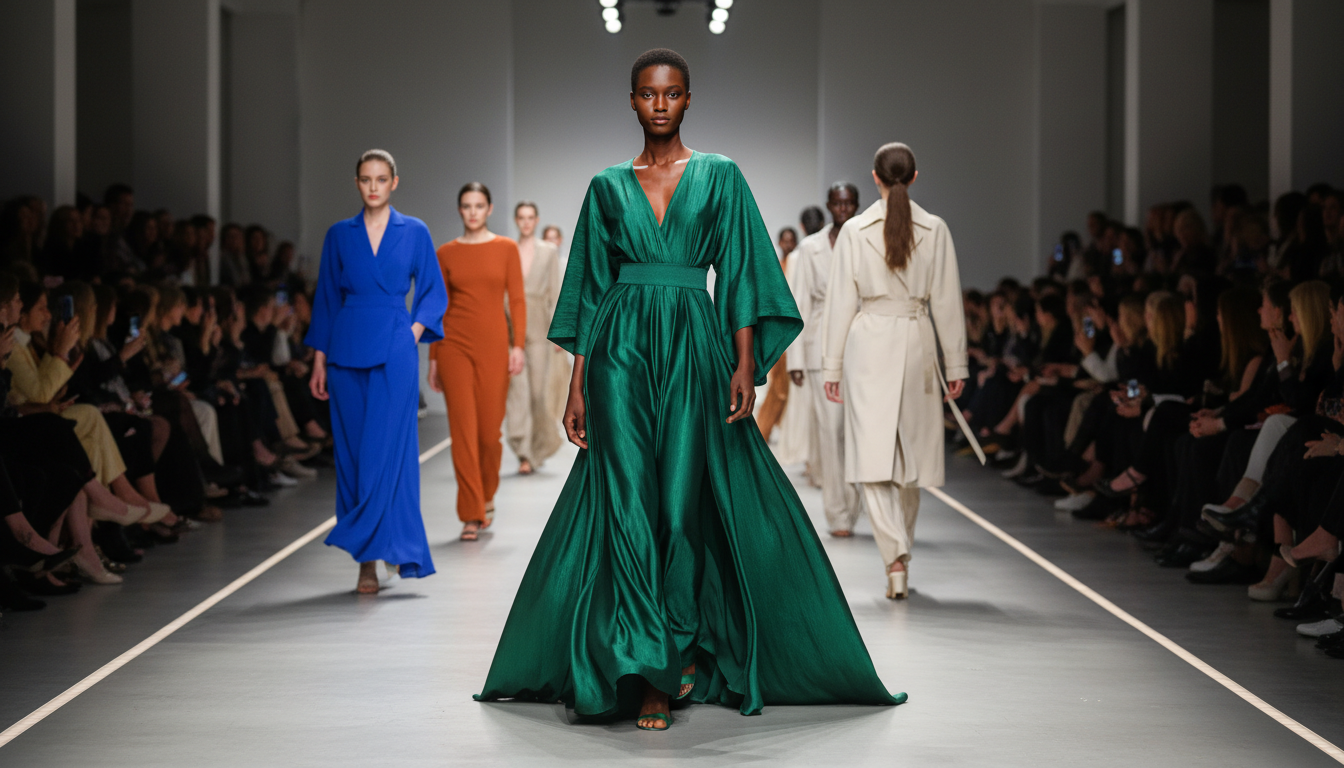
One of the most direct ways fashion shows support local nonprofits is through fundraising. By selling tickets, organizing auctions, or hosting raffles during these events, nonprofits can raise significant funds. The allure of a fashion show can attract a wide audience, eager to contribute to a good cause while enjoying a night of entertainment.
Additionally, collaborations with designers and boutiques often result in portions of sales being donated to the nonprofit. This win-win situation not only promotes local fashion but also channels resources into community initiatives.
Raising Awareness
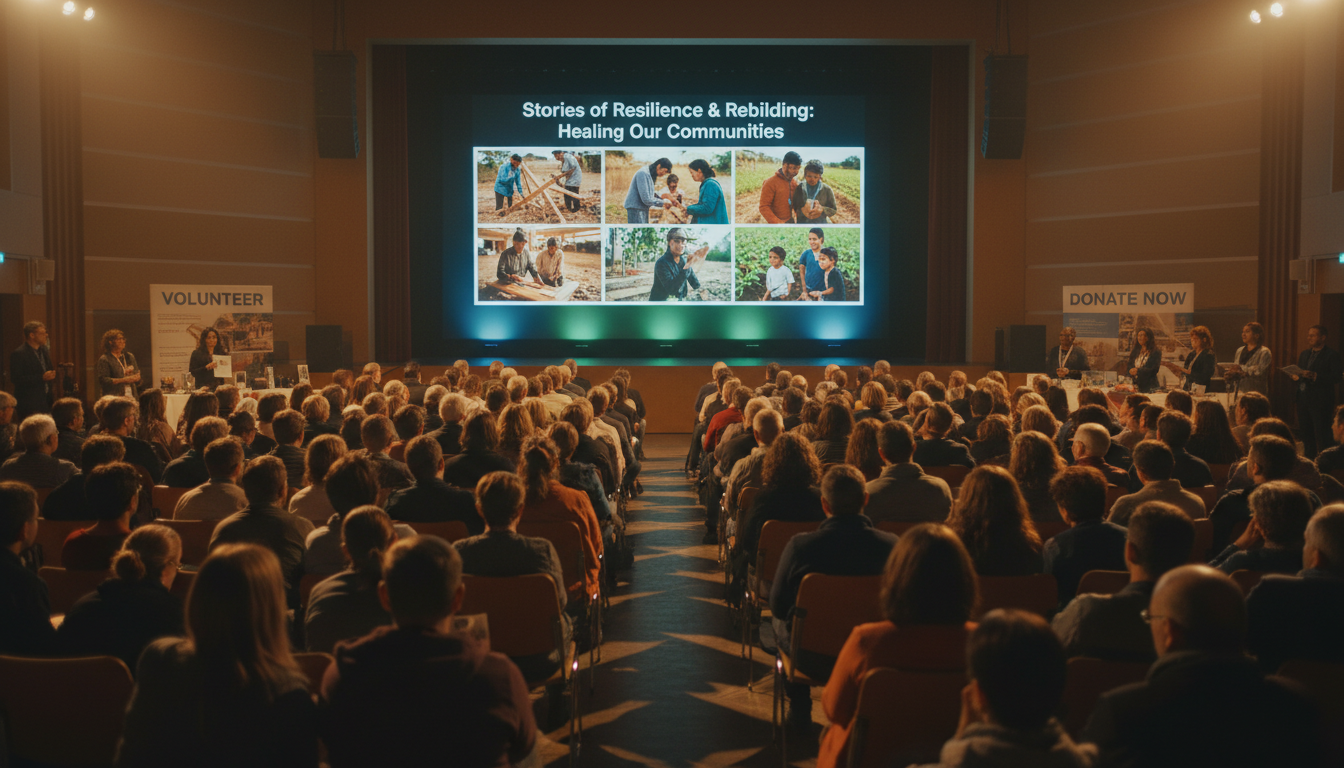
Fashion shows offer an excellent platform for raising awareness about the missions of local nonprofits. By integrating stories, testimonials, and informational materials into the events, organizations can educate attendees about their causes. This increased visibility can lead to more support from volunteers and donors in the future.
Building Community Connections
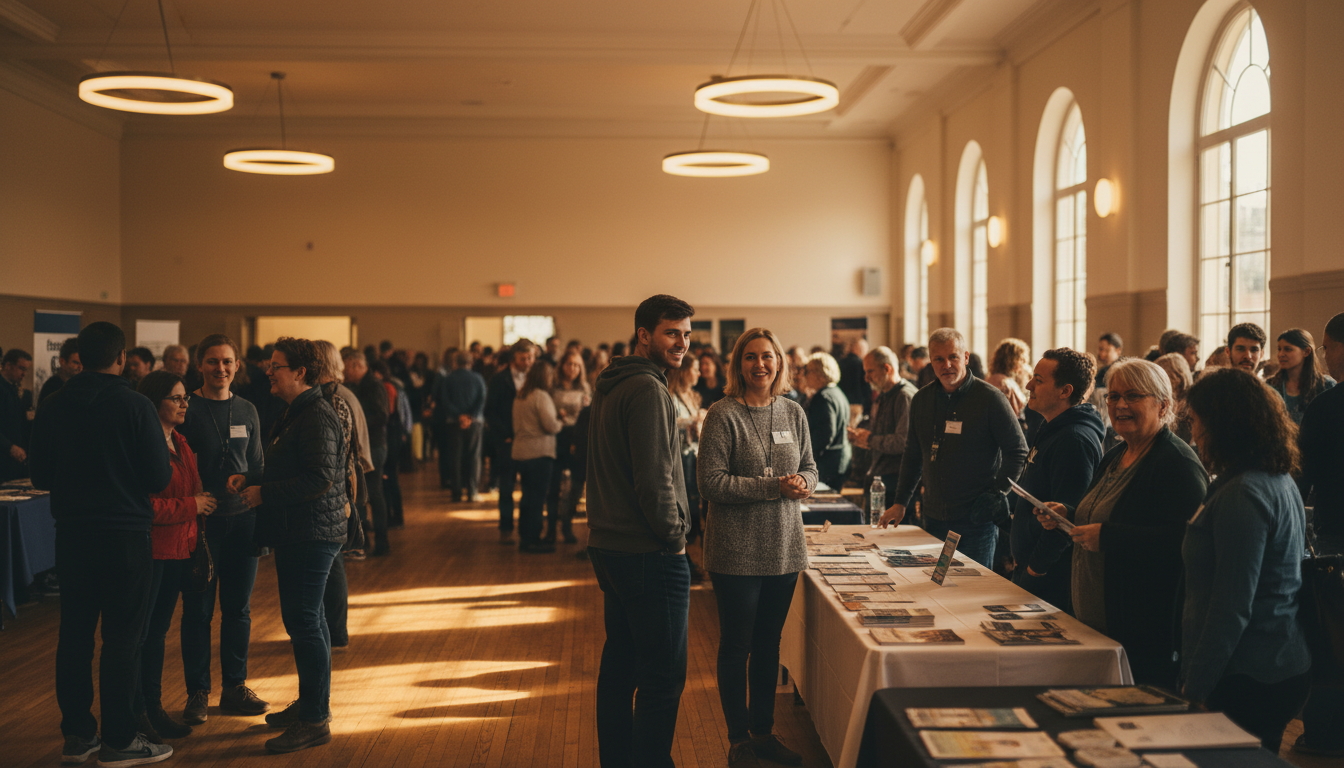
Fashion shows often bring together a diverse group of people, including designers, models, sponsors, and attendees. This creates a unique networking opportunity for nonprofits to connect with potential partners and collaborators. Building these relationships can lead to ongoing support and joint initiatives that benefit the community.
Moreover, involving local talent and businesses in fashion shows helps strengthen community ties. When local designers and boutiques participate, it fosters a sense of pride and investment in the area's cultural and economic development.
Showcasing Sustainable Fashion
Fashion shows can also be a platform to highlight sustainable and ethical fashion. By partnering with designers who prioritize eco-friendly practices, nonprofits can promote important environmental messages. This alignment can attract environmentally conscious supporters who are passionate about both fashion and sustainability.
Highlighting sustainable fashion practices not only benefits the environment but also resonates with a growing audience interested in making responsible choices.
Conclusion
In conclusion, fashion shows offer much more than a display of the latest styles. They serve as powerful tools for supporting local nonprofits by providing fundraising opportunities, raising awareness, and building community connections. By integrating social and environmental messages, these events can drive positive change in the community and beyond.
As the fashion industry continues to evolve, its role in philanthropy and community support is becoming increasingly significant. With creativity and collaboration, fashion shows can continue to be a force for good, benefitting both the art of fashion and the vital work of local nonprofits.